
Content:
Important Dates in French History
-
1100-150 BC The Celts in Gaul
-
72-46 BC
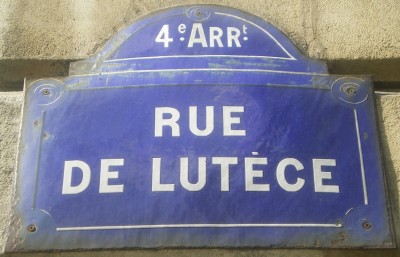 Vercingétorix, Gallic Chief
 -
58-51 BC The Romans conquer Gaul. Julius Caesar defeats Vercingétorix at Alésia
The Middle Ages
-
496 Clovis, King of the Francs, baptised in 498 in Rheims Cathedral. The Franks give their name to the country of France
-
800 Charlemagne crowned Holy Roman Emperor
-
1066 William the Conqueror,
 Duke of Normandy, becomes King of England
 -
11th-13th centuries The Crusades to Jerusalem (the Holy Land)
-
1163-1250
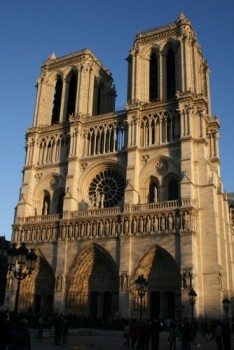 Building of Notre-Dame cathedral in Paris
 -
1226-1270 Louis IX known as Saint Louis, King of France
-
1337-1453
 The Hundred Years War between England and France
 -
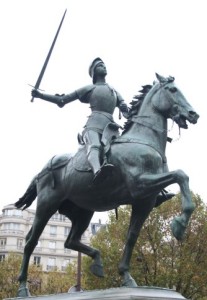
1412-1431 Joan of Arc, heroine of the Hundred Years War, burnt at the stake in Rouen
-
1491-1557 Jacques Cartier, explorer, called the "discoverer of Canada"
-
1494-1553 François Rabelais, monk, doctor and writer
The Renaissance
-
1539 François 1st promotes the Edict of Villers-Cottert: making French the language of all legal documents instead of Latin
-
1553-1610 Henri IV, popular King of France who, with his famous minister Sully, improves agriculture. Henry IV’s favourite meal is said to be chicken casserole
-
1572 The Wars of religion (Catholics against Protestants: Edict of Nantes 1598)
-
1596-1650
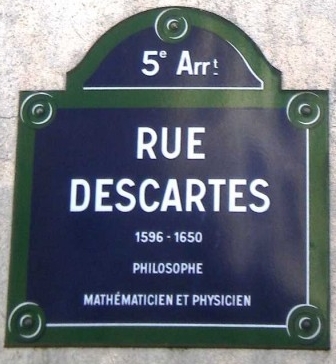 René Descartes, philosopher and scholar. His name gives us the adjective "Cartesian", meaning methodical and rational. Foreigners often say the French are Cartesian.
The Classical Period
-
1606 Publication of the first French language dictionary
-
1606-1684 Pierre Corneille, poet and playwright
-
1619-1683 Jean-Baptiste Colbert delights King Louis XIV by developing industry and international trade (setting up the St Gobain and Les Gobelins factories....)
-
1622-1673
 Molière, comic playwright
 -
1635 Creation of the Académie française
-
1639-1699 Jean Racine, poet and playwright
-
1661-1715 Louis XIV, known as the Sun King, builds the Palace of Versailles
-
1694-1778 Voltaire, writer and philosopher
Along with Diderot, Condorcet and other thinkers, scholars and philosophers fight for the right to freedom and happiness. They are said to enlighten the minds of the 18th century, a period known as the Age of Enlightenment.
Republics and empires
-
1757-1834 Lafayette, friend of Benjamin Franklin, supports the American War of Independence and plays a part in the French Revolution
-
1789 The French Revolution.
 Storming of the Bastille on July 14th, Declaration of the Rights of Man and of the Citizen adopted on August 26th. The Monarchy was abolished and the Republic proclaimed in 1792
 -
1769-1821
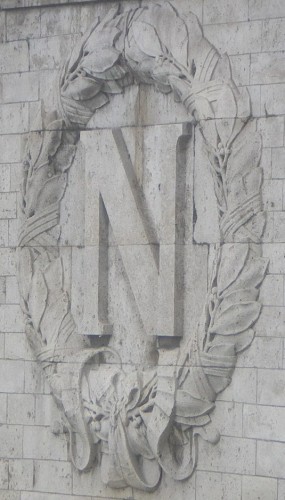 Napoleon 1st, Emperor in 1804 (defeated at Waterloo 1815)
 -
1802-1885 Victor Hugo, writer, poet, politician, great republican. Everyone knows about him and his ashes are in the Panthéon, in Paris, a place which honours the memory of famous French people
-
1808-1873 Louis Napoleon Bonaparte, known as Napoleon III
-
1822-1895
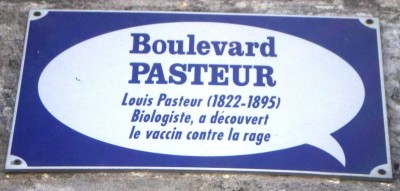 Louis Pasteur, a chemist and biologist, discovers the sterilization and preservation process which bears his name, pasteurization. He is interested in infectious diseases and discovers the anti-rabies vaccine which makes him famous
 -
1843 Queen Victoria meets King Louis-Philippe at Château d’Eu in Normandy: the Entente Cordiale is signed in 1904
-
1852-1870 Baron Haussmann modernizes Paris and the city is divided into 20 arrondissements
-
1870 Franco-Prussion War: Alsace and Lorraine are annexed by Germany until 1919
-
1881
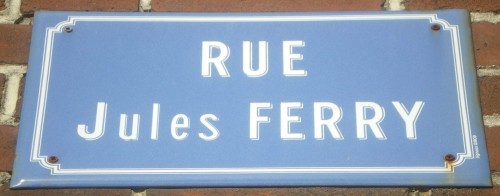 Jules Ferry makes education compulsory, free and secular
 -
1888 The Eiffel Tower opens
-
1901 Law allowing the setting-up of associations. France has nearly a million associations set up for educational, social, sporting, humanitarian or cultural reasons and supported by 12 million volunteers
-
1902
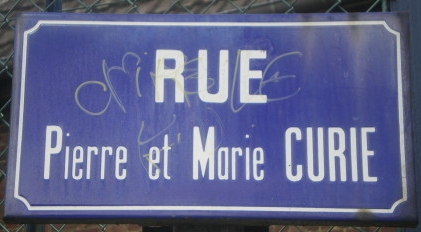 Pierre and Marie Curie discover radium and are awarded the Nobel prize for Physics
 -
1914-1918 First World War (Armistice on 11.11.1918)
-
1936-37
 The Popular Front: Léon Blum’s government introduces the 40-hour working week and holidays with pay
 -
1938 Creation of the SNCF (Société nationale des Chemins de fer français), the French national railway
-
1939 Start of the Second World War
-
1940
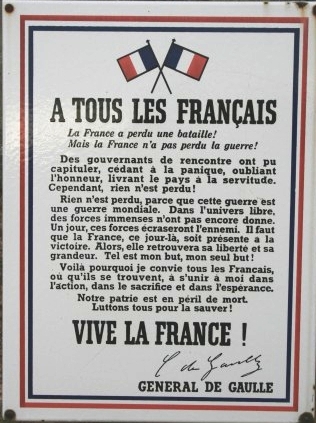 Vichy regime, provisional government of the French Republic. June 18th: call for resistance broadcast by General de Gaulle on the BBC from London
 -
May 8th 1945 Allied victory over Nazi Germany
-
1945 Creation of social security system
-
1945 Creation of EDF (Electricité de France), the French national electric company
-
1947 Dress designer Christian Dior creates the New Look
The Fourth Republic
-
May 9th 1950
 Robert Schuman, Foreign Minister, delivers founding address for a united Europe from the Salon de l’Horloge in Paris, committing France and Germany to create a peaceful Europe. It was Jean Monnet who worked hard to make this fine idea come true.
 -
1953 Creation of L’Express (a weekly magazine), of Livre de Poche (a paperback publishing firm) and of the pressure cooker you find in every French kitchen.
-
1954
 War in Algeria (Treaty of Evian 1962)
 -
1954-59 René Coty : President of France
-
March 25th 1957 The Treaty of Rome creates the European Economic Community (EEC) which in 1993 became the European Union.
The Fifth Republic
-
September 28th 1958 Setting up of the Fifth Republic
-
1959-69
 General de Gaulle is the first President of the Fifth Republic
 -
May 1968 Student protest movement and industrial unrest (causing a revolution in ways of thinking and attitudes to education...)
-
1969-74 Georges Pompidou is President of France
-
1974-81 Valéry Giscard d’Estaing is President of France
-
1981-95 François Mitterrand is President of France (two seven-year terms)
-
1986-88 and 1993-95 "Cohabitation" between Leftist President and right wing majority in government
-
1992 The language of the French Republic is French, that’s what the French Constitution says.
-
1993 The Treaty of Maastricht creates the European Union and Monetary Union
-
1995 Jacques Chirac becomes the fifth President of the Fifth Republic
-
1997 "Cohabitation" between right-wing president and left-wing majority in government
-
1998 35-hour working week voted in
-
July 12th 1998 Soccer World Cup at the Stade de France
-
January 4th 1999 The euro becomes the official currency for 11 countries of the European Union including France
-
1999 Establishment of the PACS (pacte civil de solidarité - civil partnership agreement). This is a contract made in court which allows two unmarried adults, of either sex, to commit to sharing their life together. The PACS is not the same as marriage and is only legally valid in France
-
2000 Referendum approving the reduction of the French president’s term of office from 7 to 5 years
-
January 1st 2002
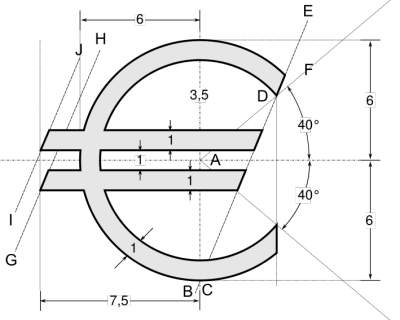 The euro becomes the sole currency for 300 million Europeans.
Abolition of the French franc. -
January 1st 2002 Abolition of national service (military service) implemented
-
2002 Election of Jacques Chirac, for a second term as President of France until 2007 (5 years)
-
March 15th 2004 The law forbids any obvious religious symbols in state schools. So pupils cannot wear a cross, a skull cap or a headscarf to show their religion. State schools are a place to learn about, and to respect, cultural diversity as well as a place of education. Being equal, different and united is the best way to live together.
-
May 1st 2004 5th enlargement of the European Union. 10 new countries join the 15 already in the European Union, making 25 countries with a combined population of 453 million covering an area of 3,929,000 square kilometres. June 13th 2004: Election of the 732 members of the European Parliament (78 representing France)
-
2004
 Opening of the Millau Viaduct. The highest bridge in the world is in Roquefort cheese territory. Millau is a town in the Aveyron département in the Midi-Pyrénées region
 -
2005 51% of the French say "no" to the European Constitution in the referendum on May 29th
-
2006 Immigration law strengthening the rules on the right to work and residency rights of non-European foreigners
- May 6, 2007 Nicolas Sarkozy becomes President of France (until 2010)