
Content:
Départements: a 100 piece jigsaw
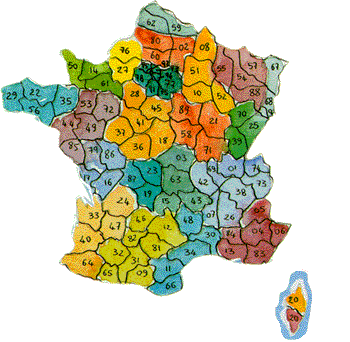 After the 1789 revolution the National Assembly divided France up into a jigsaw puzzle of equal size pieces.
Today there are 96 départements in mainland France and 4 overseas (called "départements d’outre-mer" or "DOM"). Paris is unique: it is both a city and a département.
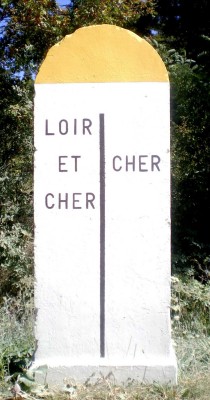 Most of the départements are named after a river that runs through them, or a local mountain (for example : la Dordogne, le Jura, l'Orne, la Somme, etc...).
They are all organised the same way. They are run by a préfet (prefect) who represents the state and by the Conseil général (council) which is elected by those who live in the département.

The départements are generally numbered in alphabetical order: Ain 1, Aisne 2, Allier 3, etc., but there are a few exceptions, for example the 7 départements that surround Paris like a garland and form the region of Ile-de-France.
Ain = 1 The Ain département is the first alphabetically.
Calvados = 14 is also a strong alcoholic drink made from apples in Normandy.
Cantal = 15 is a cheese from Auvergne.
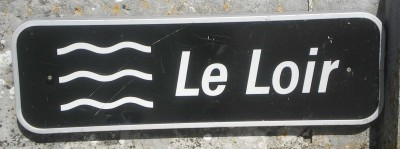 Loire (42) is a river as well as a "département", but le Loir is a smaller river, in the Pays de Loire region.
 It is easy to tell where a car comes from by looking at the last two figures on the number plate. They are the same as the number of the département (example: 62 = Pas de Calais).
 Similarly, when you address a letter, the first two figures of the postcode show which département it is going to.
